
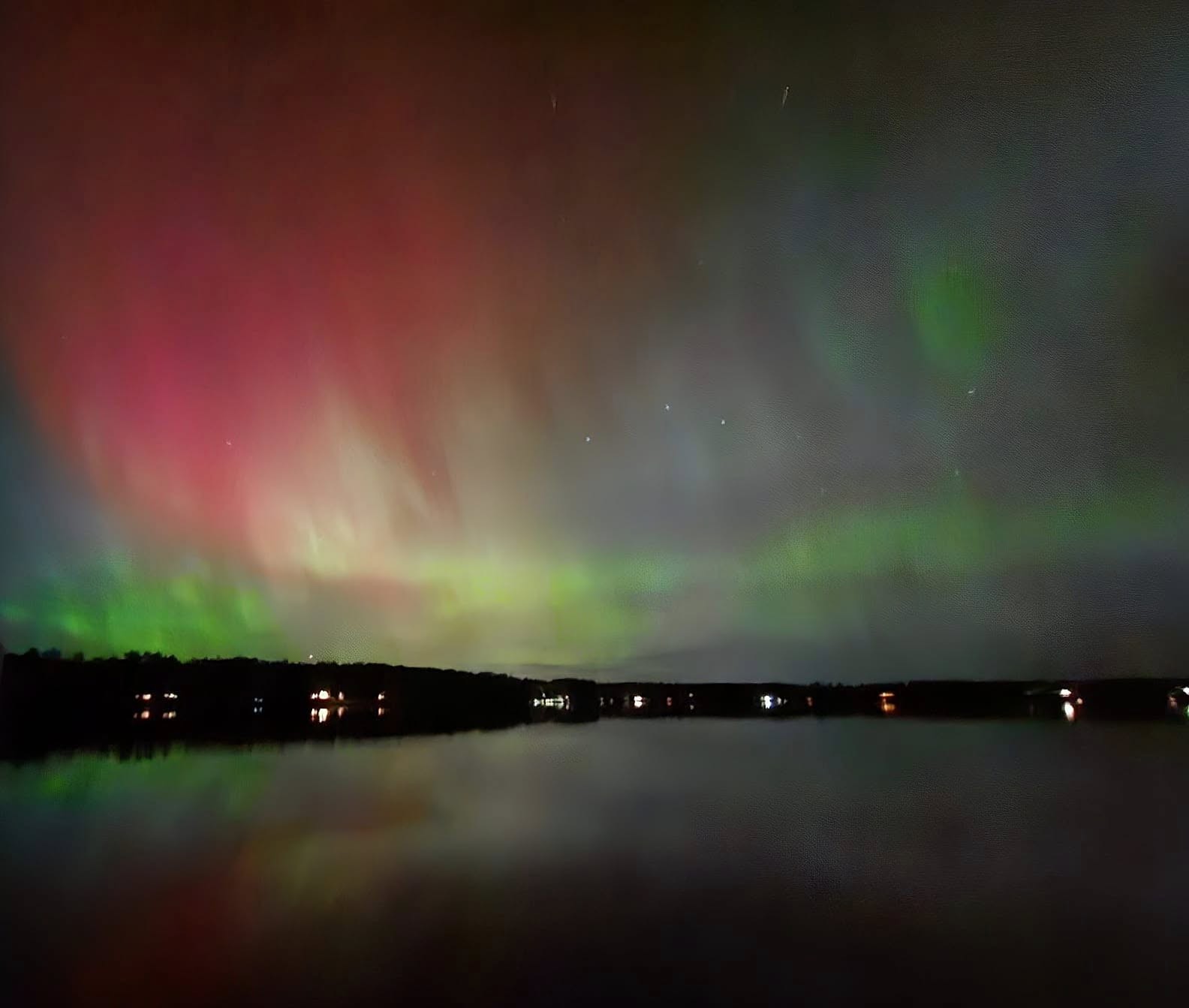
Northern Minnesota is one of the few places in the Upper Midwest where residents can still enjoy clear, star-filled skies. Long Lake’s quiet nights, reflective waters, and dark horizons are part of what makes the lake special.
Bright, unshielded outdoor lighting can create glare across the water, disturb wildlife, shine onto neighboring properties, and obscure the night sky. Long Lake residents can help preserve the lake’s nighttime character by choosing outdoor lighting carefully and directing light only where it is needed.
Why Outdoor Lighting Matters
- Protects your neighbors’ enjoyment of the lake by reducing light that shines into homes, across the water, and into the night sky.
- Reduces disturbance to wildlife, including loons, fish, and other animals active at night.
- Reduces glare, making nighttime conditions more comfortable for boaters and neighbors.
- Saves energy by putting light only where and when it is needed.
 The Lighting You Select Matters
A few simple choices can reduce glare and light pollution while still providing the outdoor lighting you need for safety and enjoyment.
Use shielded fixtures:
- Choose fixtures that direct light downward onto the area that needs illumination—not into trees, across the water, toward neighboring properties, or up into the night sky.
Choose the right light bulbs:
- Choose warm-colored bulbs with a color temperature of 3000K or less. Warmer light reduces glare and has less impact on the nighttime environment than cooler, blue-white light.
Use motion sensors instead of always-on lighting
- Use motion sensors or timers so outdoor lights are on only when needed. This provides useful lighting for safety and security without illuminating the property throughout the night.
Place light fixtures only where they’re needed
- Light pathways, doorways, and other areas where illumination is needed for safety—not shorelines, trees, or open water. Keep fixtures aimed downward and contained within the area you want to light.
Update older light fixtures and bulbs
- You may not need to replace an entire fixture. Older outdoor lighting can often be improved by using a warmer, lower-output bulb or adding shielding that directs light downward.
Rethink flag lighting
- If you light a flag at night, use a low-intensity, shielded fixture aimed carefully at the flag. Avoid lighting that sends substantial light beyond the flag or up into the night sky.
Talk with your neighbors about lighting
- Outdoor lighting can affect neighboring properties in ways that may not be obvious from the property where the light is located. If lighting is creating glare or spilling onto your property, a friendly conversation with your neighbor may help identify a simple solution.
Thoughtful outdoor lighting can help preserve Long Lake’s dark skies and peaceful nighttime character. By directing light only where it’s needed, using warmer and appropriately bright lighting, and turning lights off when they’re not needed, we can help keep the lake dark, calm, and enjoyable for everyone.
Learn More About Protecting Long Lake
Explore additional resources on shoreline stewardship, aquatic invasive species prevention, loon protection, and other ways to help protect Long Lake.