
Protecting Long Lake through stewardship, monitoring, and community action
For more than 50 years, the Long Lake Area Association has actively protected Long Lake through science-based monitoring, invasive species prevention, and community stewardship. From long-term water clarity tracking to coordinated AIS response efforts, these accomplishments reflect a sustained commitment to preserving the lake’s health, ecology, and quality of life.
LLAA members, donors, and volunteers make these accomplishments possible.
50+ years of making a difference
Here are some of the ways the LLAA has worked to protect Long Lake.

Water Quality Monitoring
Long-term data collection provides a scientific foundation for understanding trends and protecting water quality.
-
Collected Secchi disk water-clarity data on Long Lake since 1984
-
Maintained long-term water quality monitoring records, including dissolved oxygen and temperature data
Aquatic Invasive Species (AIS) Prevention
Working together to prevent and manage invasive species that threaten Long Lake’s ecosystem.
-
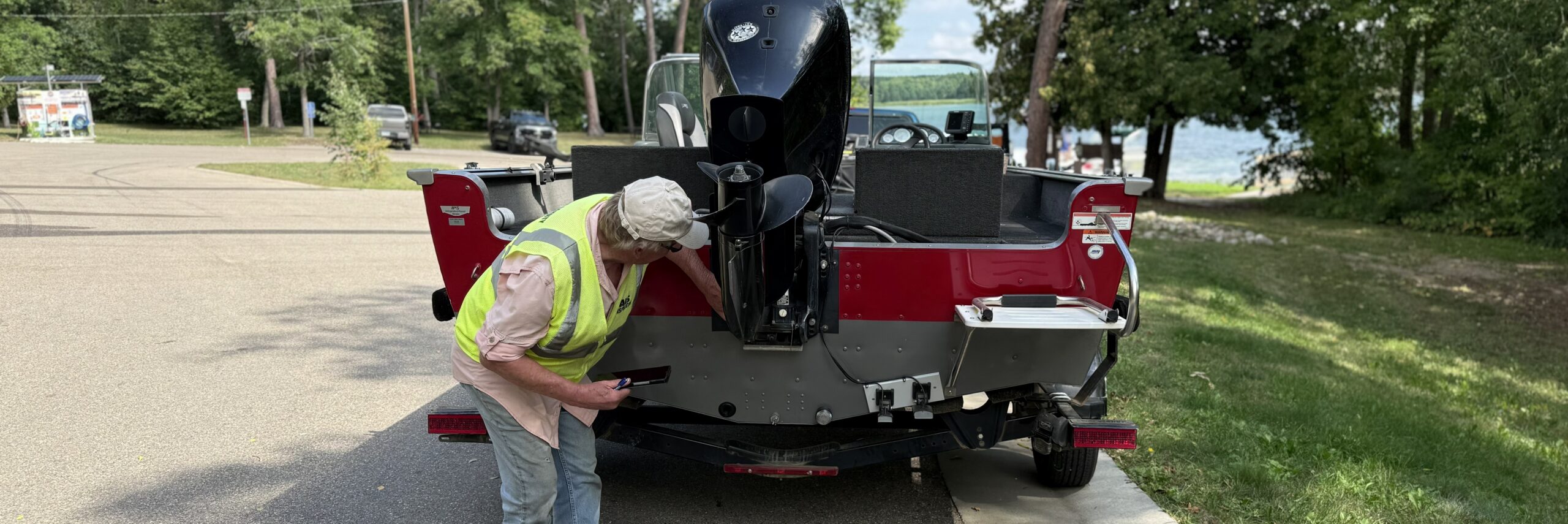
Partnered with Hubbard Township to install a CD3 unit for cleaning boats before and after launching into Long Lake
-
Provided weed sticks, plug wrenches, and cleaning brushes at all lake accesses to reduce the spread of invasive species
-
Implemented treatment strategies to manage starry stonewort following its discovery at the south access
-
Supplemented and supported AIS monitoring and public education in coordination with the State AIS Prevention Program
Fish Habitat & Fisheries Management
Supporting a healthy fishery for current and future generations.
-
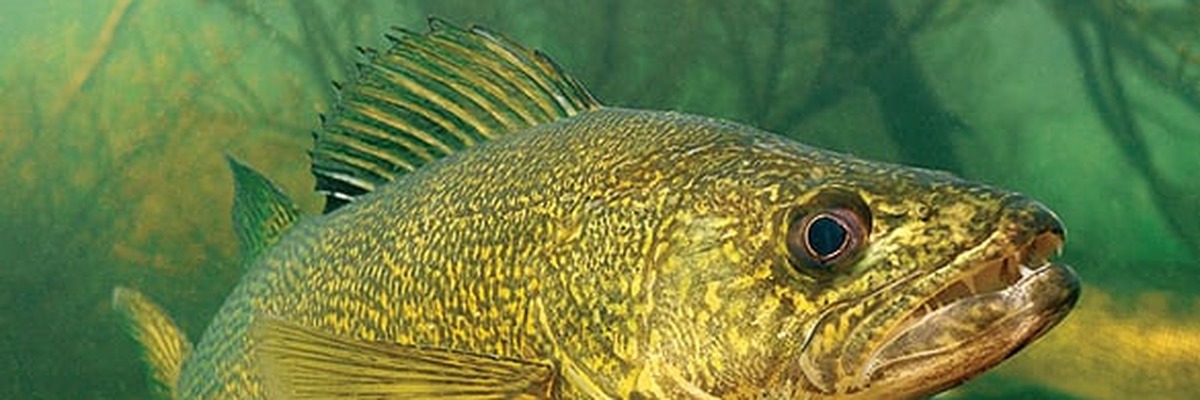
Worked with the Minnesota DNR to support Long Lake’s fishery and helped fund DNR-approved supplemental walleye stocking
Shoreline & Lake Stewardship
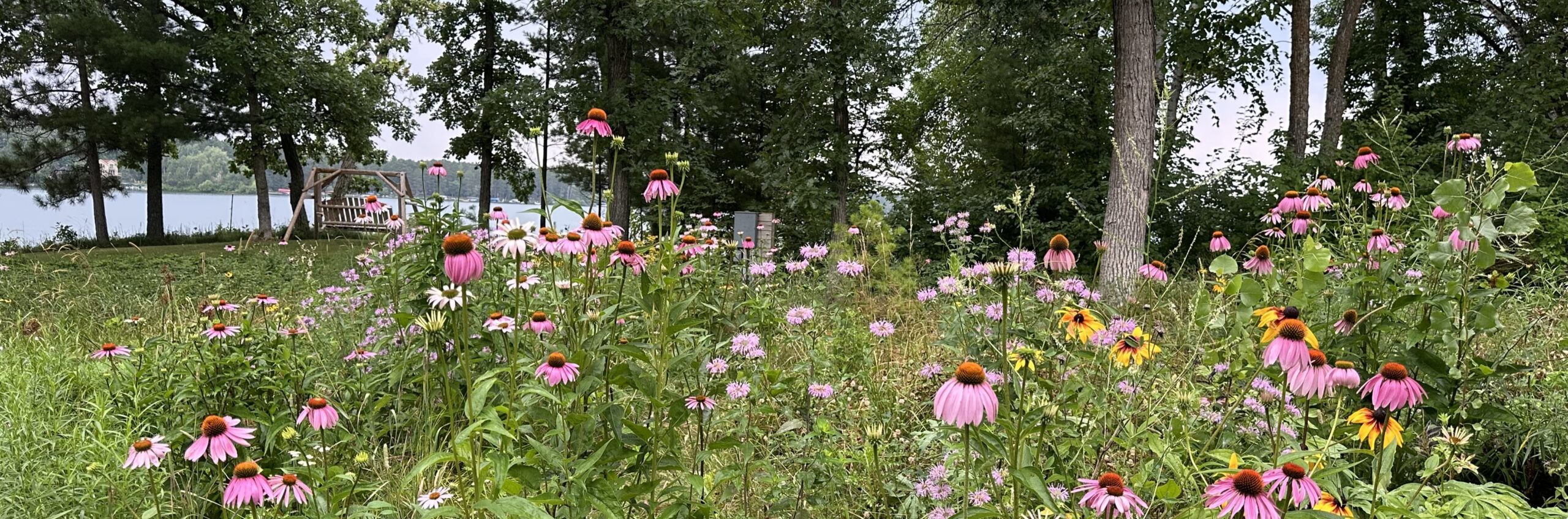
Promoting lake-friendly shoreline practices that reduce runoff, protect water quality, and improve wildlife habitat
- Partnered with Hubbard County Soil & Water Conservation District to provide property owners with shoreline guidance and complimentary Lake Steward site visits
Education, Advocacy & Community Stewardship
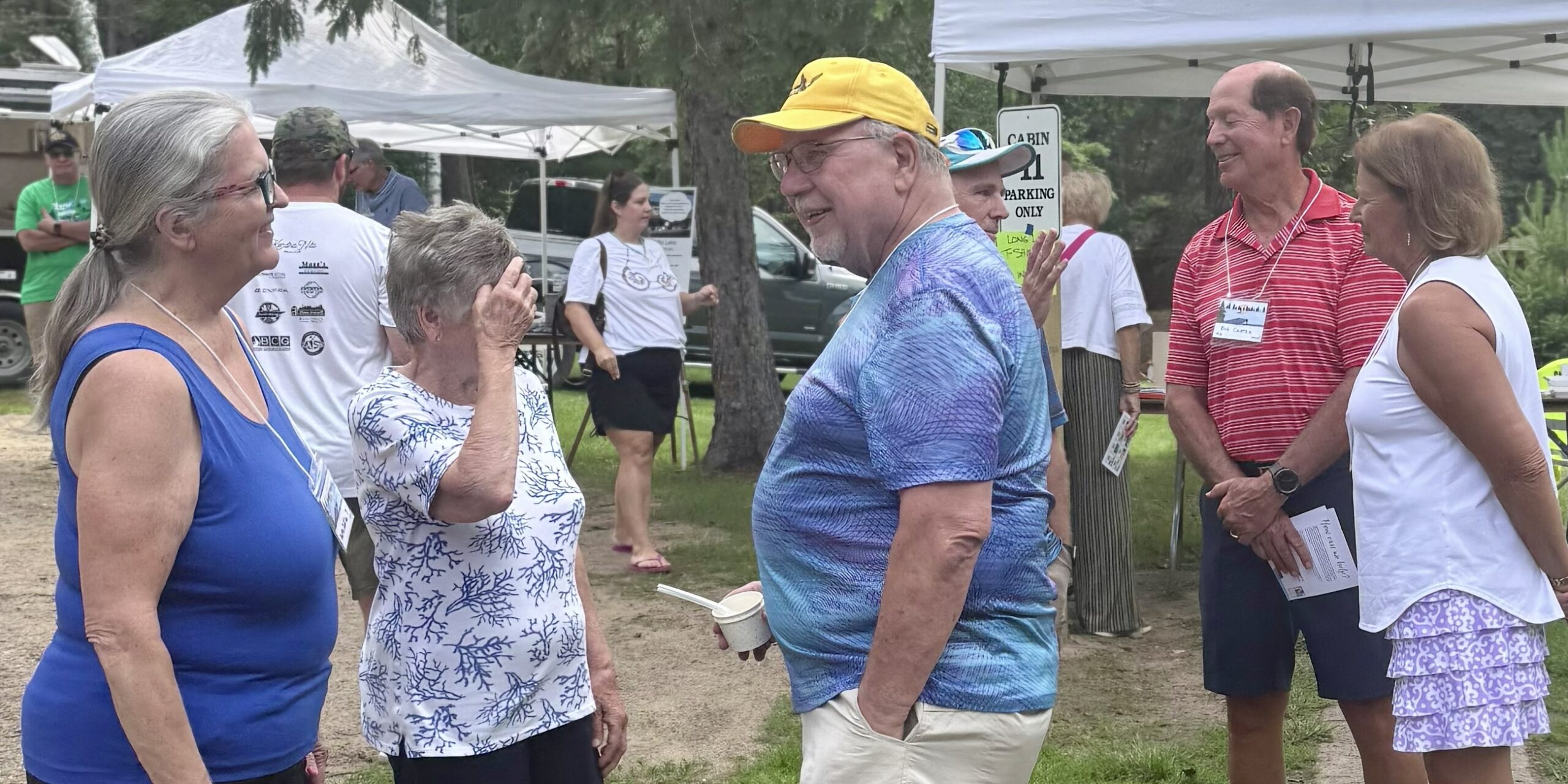
Building a more informed and engaged Long Lake community.
-
Advocated for the long-term quality of life within the Long Lake community
-
Promoted responsible lake use through education, communication, and research-based guidance
-
Preserved and shared the history of the Long Lake area
Help Protect Long Lake
These accomplishments are made possible by members, donors, and volunteers. Your support helps ensure a healthy lake for current and future generations.
